Herb Garden at Devín
Gardens That Have Not Survived
To this day, it has not been possible to clearly determine the exact form or location of the gardens within the grounds of Devín Castle. Their existence has not been confirmed by archaeological research; they are not mentioned in the written sources examined so far, nor do they appear in historical depictions of the castle.
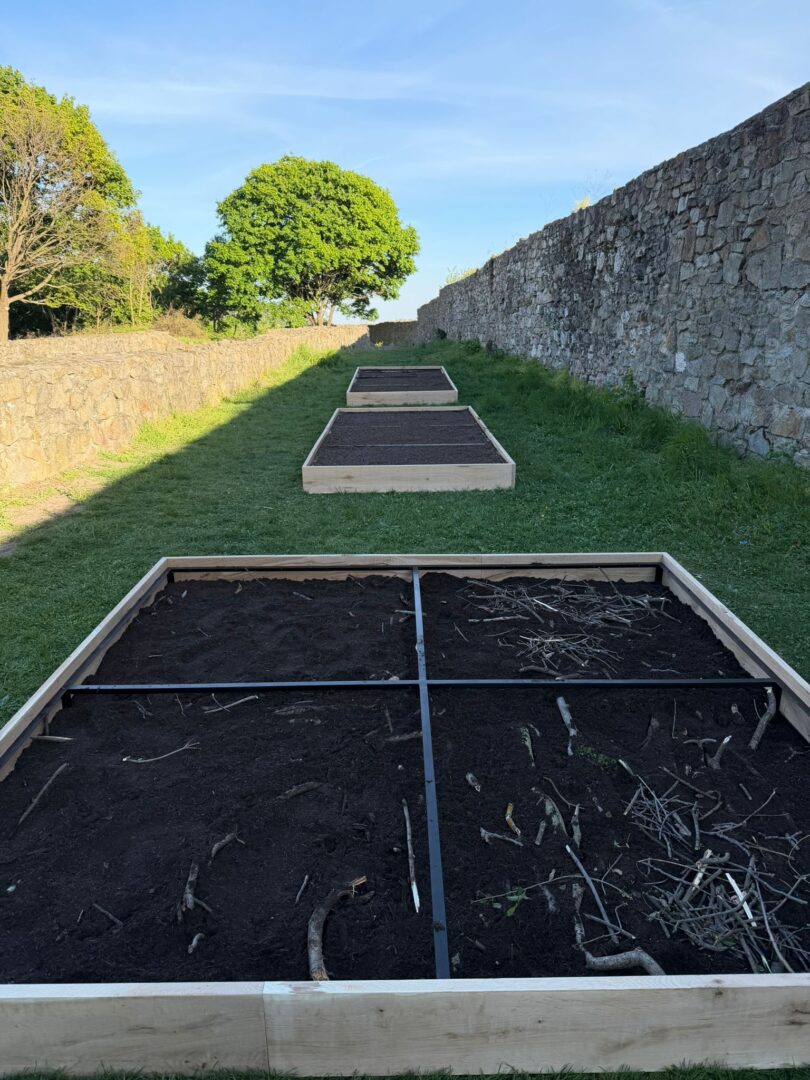
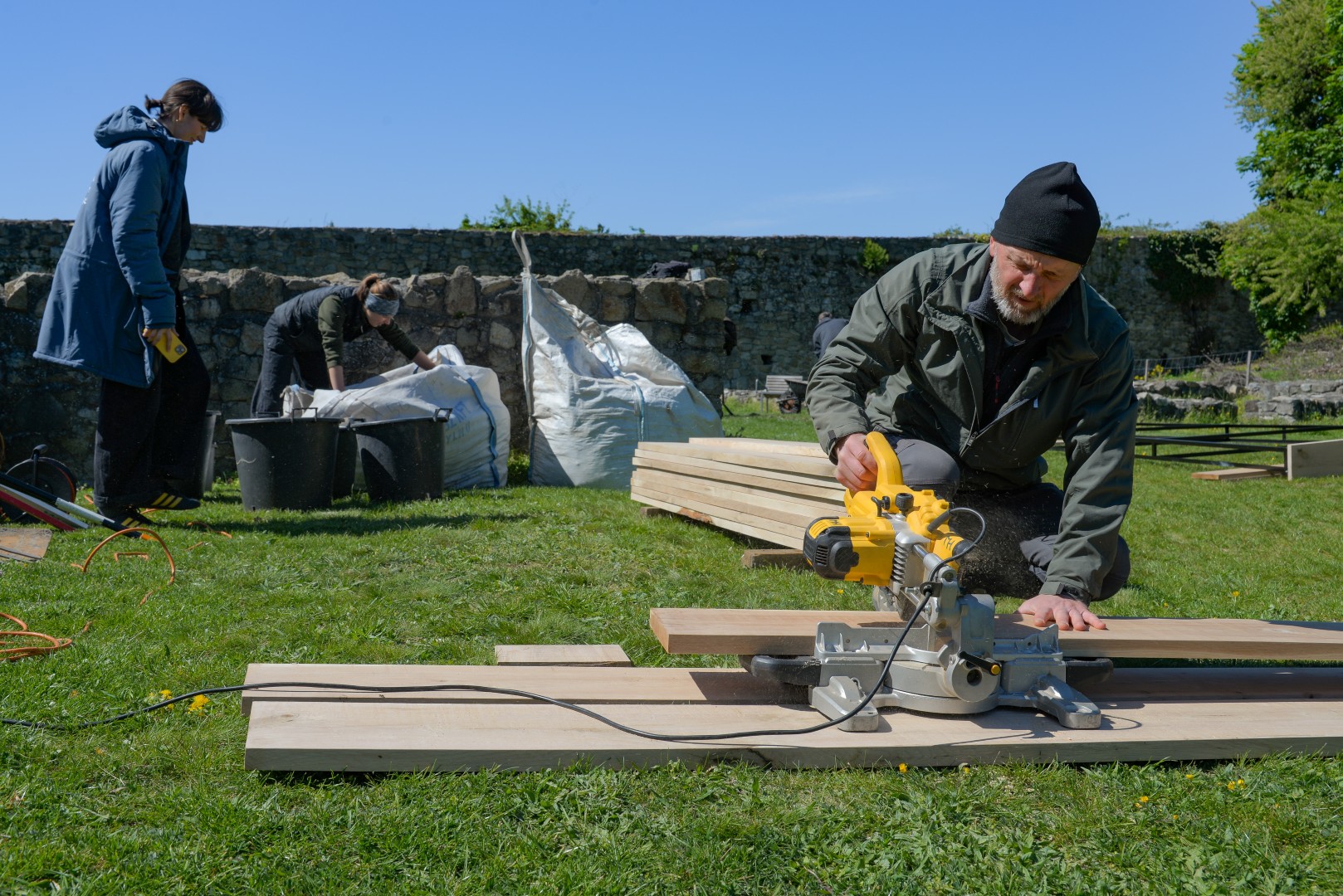
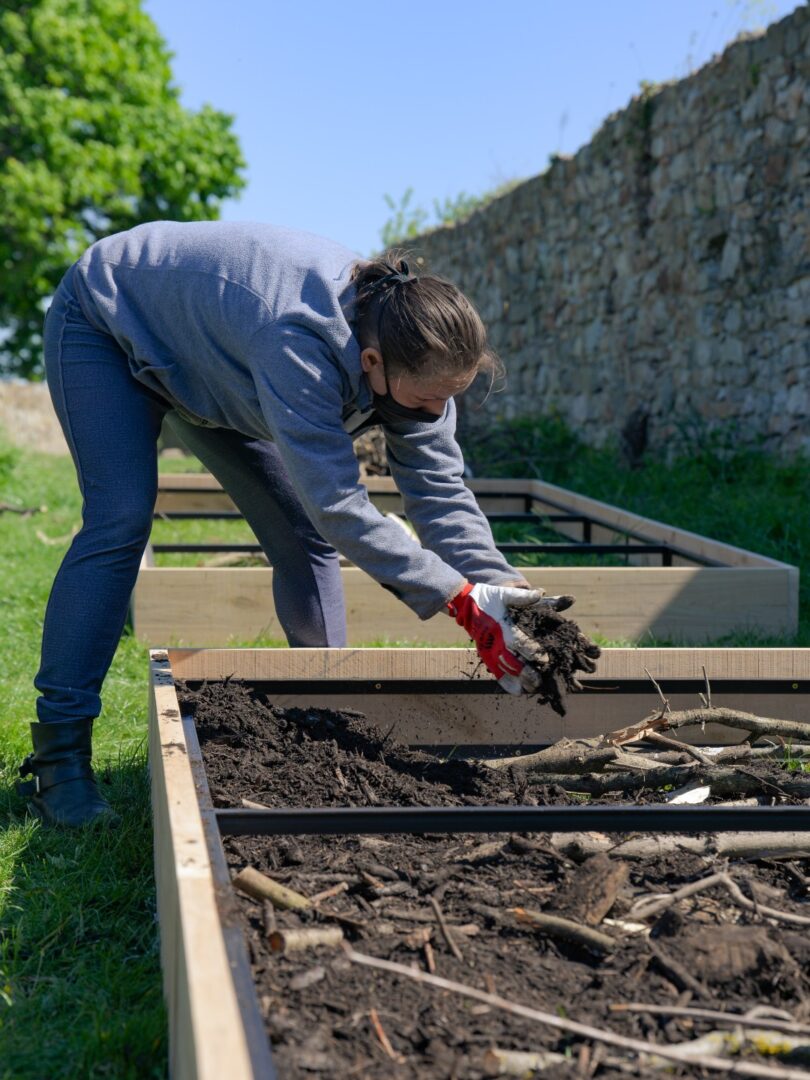
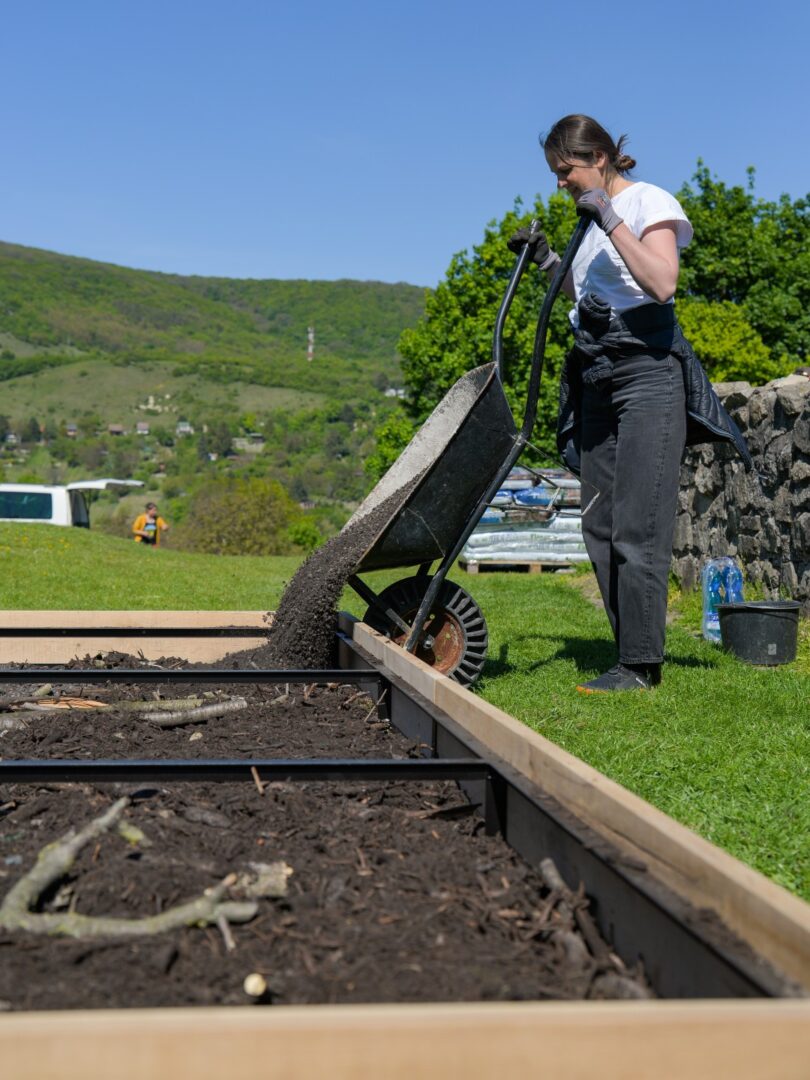
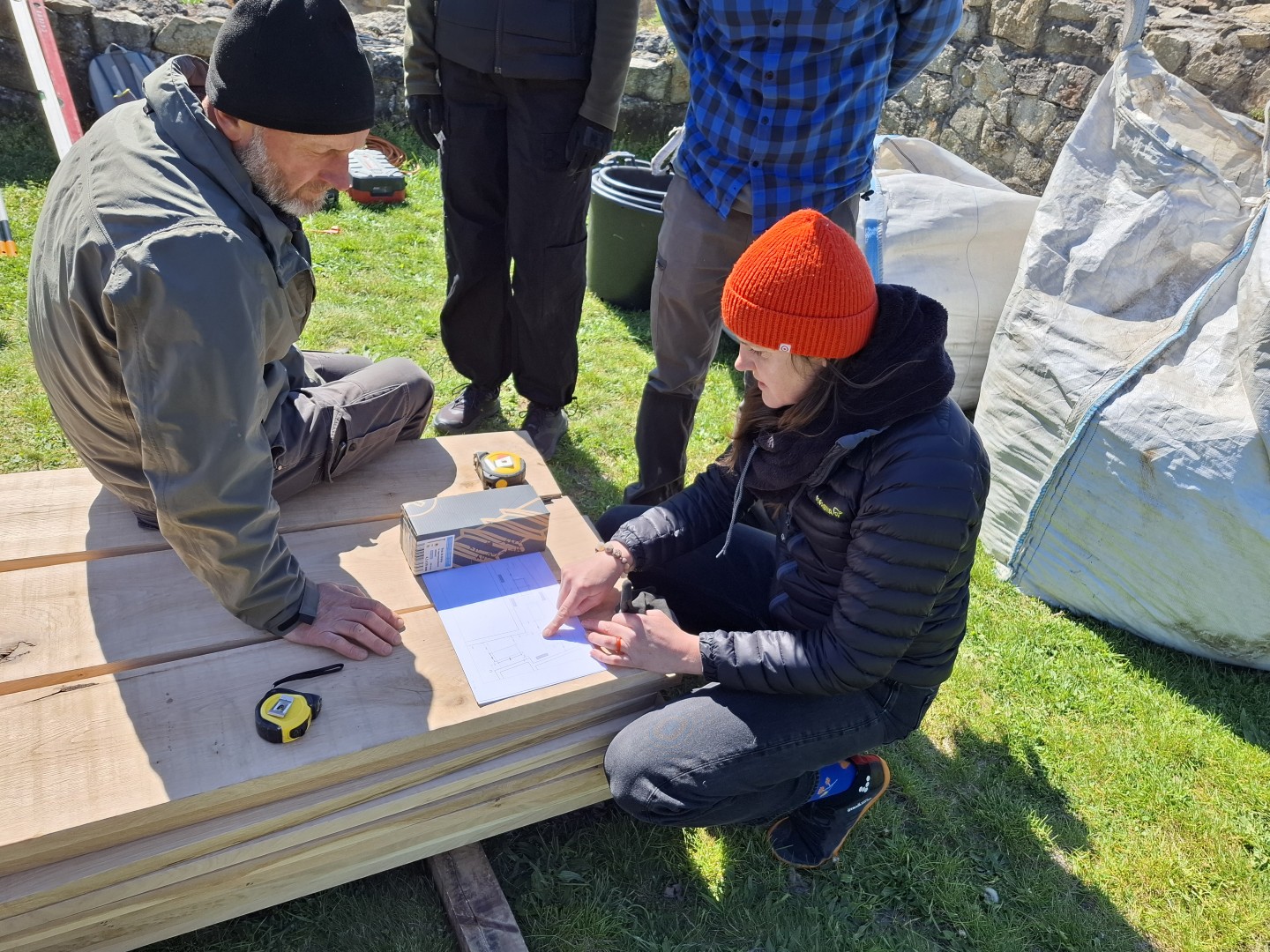
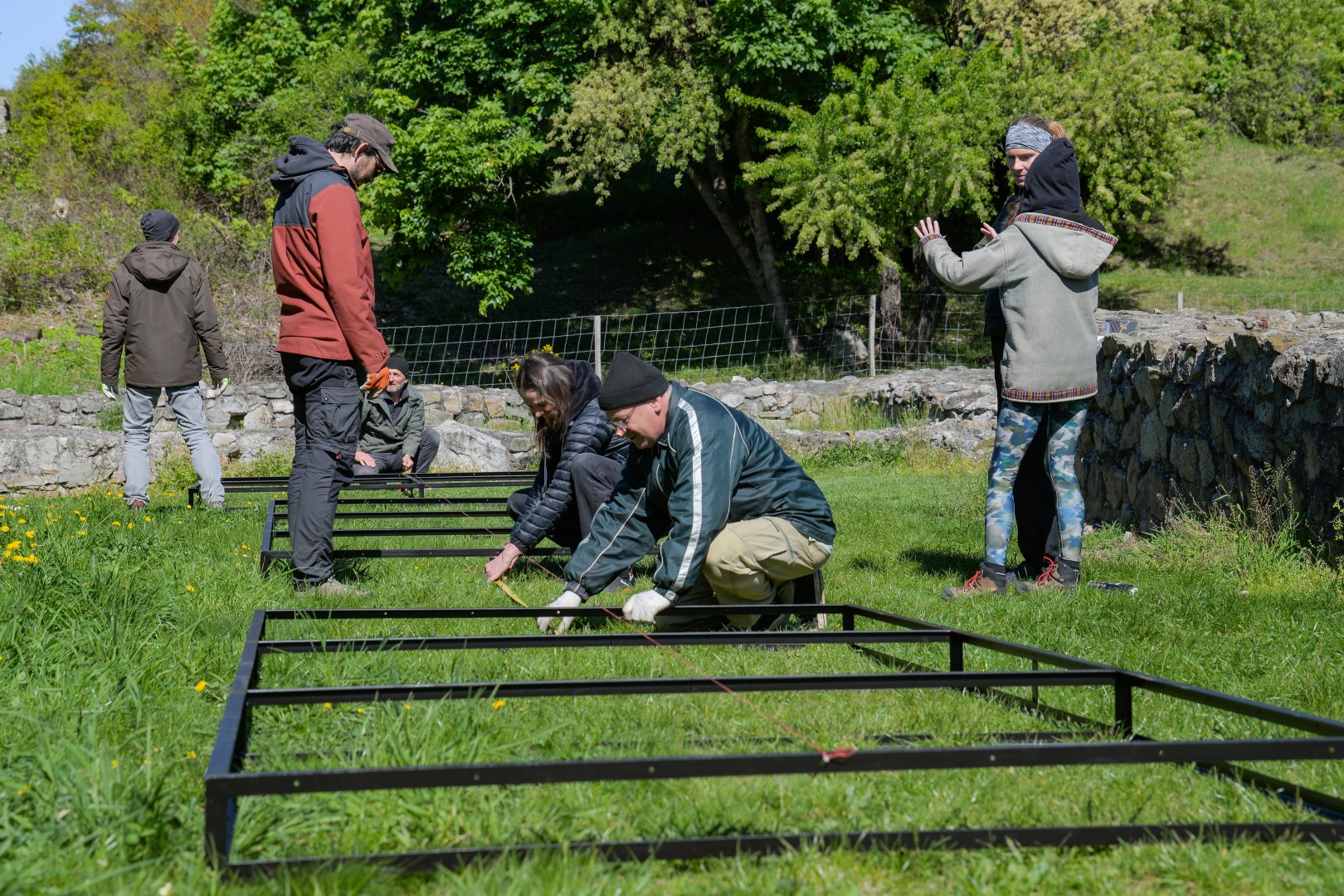
The design of the herb garden was therefore created on the basis of expert research and the interpretation of comparable historical gardens from the 15th and 16th centuries. Its creation involved experts from the Bratislava City Museum, the conservation association BROZ, and landscape architect Miriam Húšťavová from the Húština studio.
Inspired by Medieval Gardens
The garden was inspired by similar gardens from the medieval and early modern periods. The planting of herbs and useful plants presents a rich variety of species. They served as food, medicine, and a natural part of everyday life.
Medieval gardens were based on precision, clear structure, and geometry. The beds were usually enclosed not only for practical reasons, but also as a symbol of the enclosed Garden of Paradise. At the same time, the borders protected the crops from animals. Wattle, wood, stones, or bricks were commonly used to create them.
Gardens served several purposes: they were a source of food, a place of rest, and an aesthetic element of everyday life.
The Garden as a Source of Sustenance
In the 15th and early 16th centuries, Devín Castle was the seat of important noble families, including the Garays, the Counts of Svätý Jur and Pezinok, and the Báthory family. Some of them lived here for extended periods, and the daily running of the castle was closely connected with the preparation of meals for the castle lords and their court.
Cooks therefore relied heavily on produce grown in gardens directly within the castle grounds. These gardens were especially important during periods of siege, of which Devín experienced several.
However, the gardens did not serve only the aristocratic elite. According to archaeological findings, ordinary inhabitants also lived in the lower castle, in simple houses with farm buildings. Smaller utilitarian gardens were part of their everyday life and often determined whether a family could survive. People depended largely on what they were able to grow themselves.
Among the most common crops cultivated in our region were cabbage, carrots, onions, parsley, and legumes such as peas, grass peas, and broad beans. Herbs were used not only to season food, but also to help preserve it.
Medicinal and Dangerous Herbs
Herbs held an exceptionally important place in medieval healing practices. Many plants were both medicine and poison, and people already understood that their effects depended on the correct dosage.
Experienced healers and herbalists used certain poisonous plants to relieve pain, induce sleep, or treat illnesses. If used incorrectly, however, they could cause poisoning or even death. Among the best known were Atropa belladonna — deadly nightshade, Mandragora officinarum — mandrake, and Hyoscyamus niger — henbane.
These plants were used for pain relief or during simple medical procedures at a time when medicine did not yet know modern anaesthesia. Knowledge of medicinal plants was passed down from generation to generation — in monasteries, among healers, and through folk herbalists.
Herbs were therefore a symbol of healing, but also of respect for the power of nature.
Tip for visitors: Take a walk around the garden beds. Each herb before you tells a story about medieval life at the castle. It is a living testimony to how deep and important the connection between people, nature, and its power once was.